Category: Real-time generative AI, Interaction device, GPT, API | Year: 2024
서울문화재단 언폴드엑스 2024 지원작_Supported by SFAC UNFOLDX 2024
작가는 동양의 의미 달력을 활용해 수의 기호 속에 숨겨진 ‘하루’의 물질적 의미를 추출한다. 추출된 관계들은 생성 인공지능에 의해 물질의 시와 이미지가 된다. 비인간의 상상력에 의지하여, 동양의 우주론에 기반한 데이터 해석을 탐구하는 동시에, 과학적 사유 내에서 미신으로 치부되어온 지식 체계의 의미를 재조명한다.
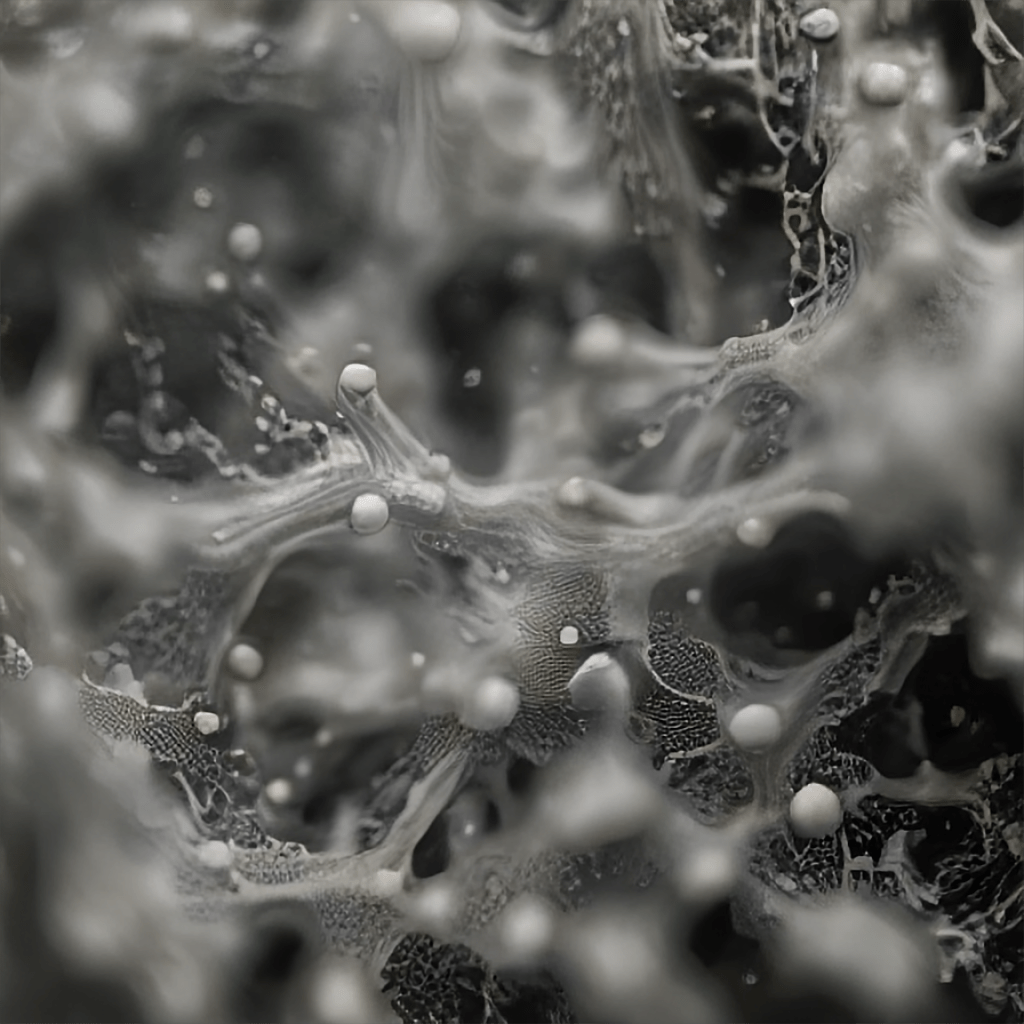
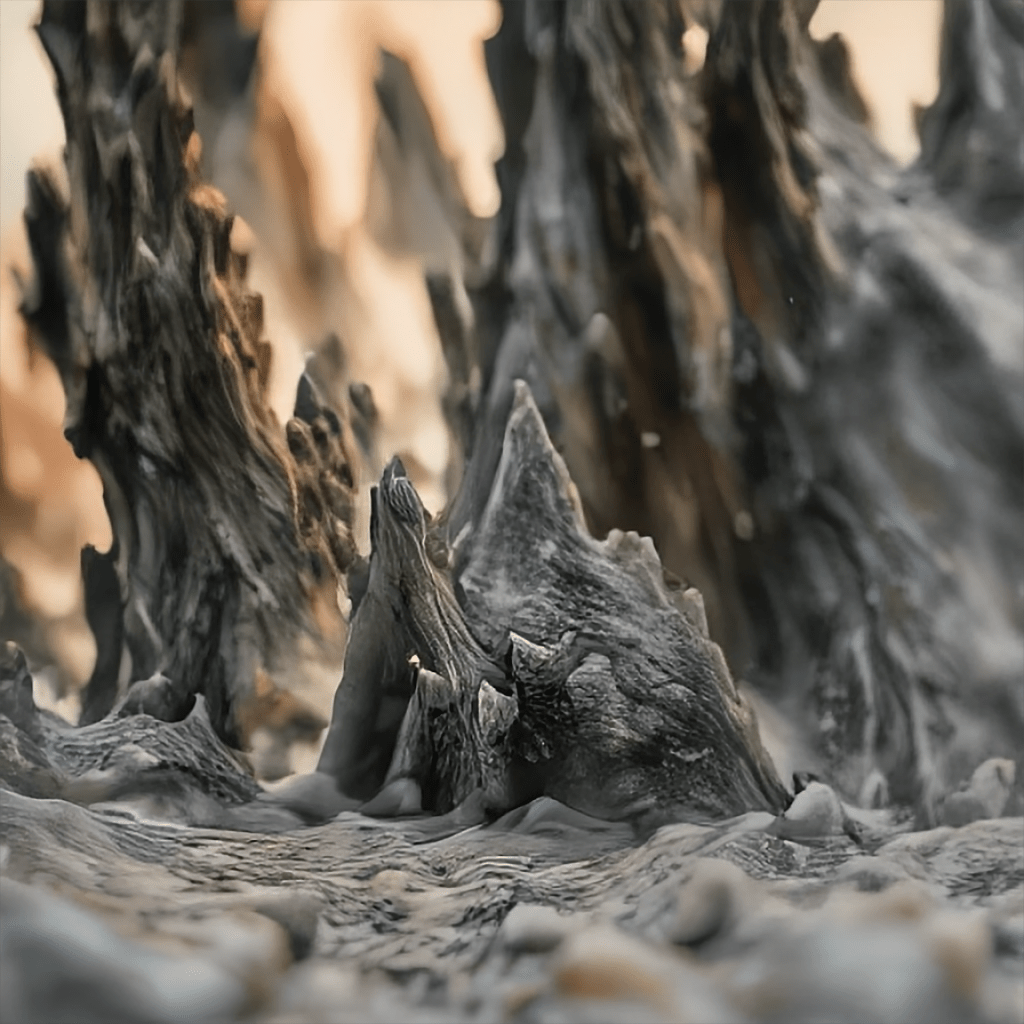
인공지능의 사변적 시선을 통해 인간 존재에 대한 질문과 함께 새로운 감각의 경험을 열고자 한다. 인간의 인지 능력을 초월하는 데이터 처리 과정에서 생성된 인공지능 이미지와 합성적 감각은 작가에 의해 사변적 물질(Speculative Matters)로 정의된다. 작품을 통해 비인간과 인간, 물질과 데이터에 대한 새로운 감수성을 이야기하고자 한다.
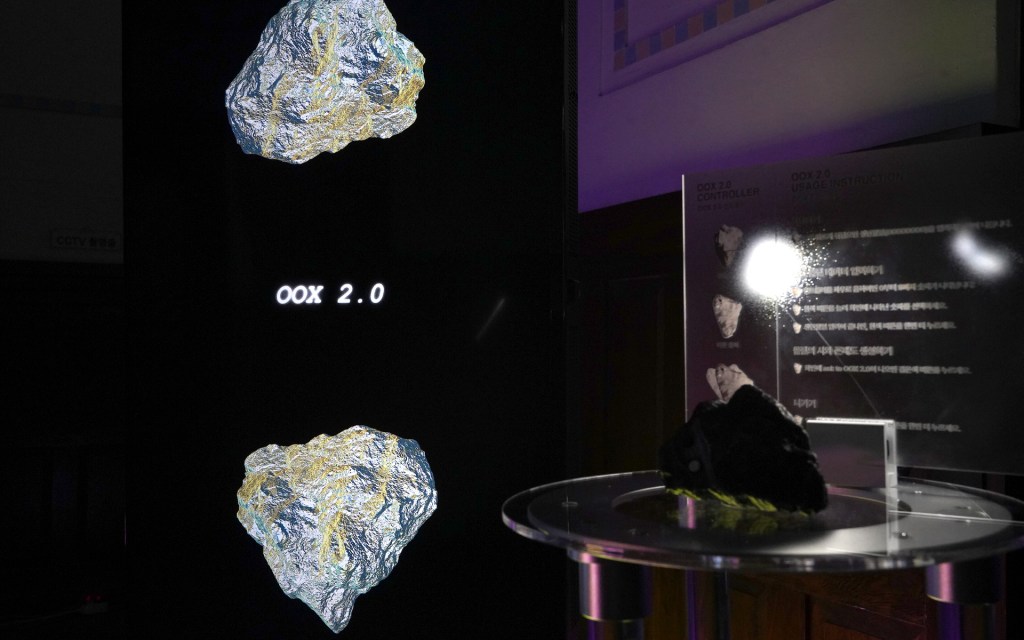
The artist draws on an East Asian meaning calendar to extract the material significance of “a day” concealed within numerical signs. These extracted relations are transformed by generative AI into poems and images of matter. By relying on non-human imagination, the work explores data interpretation grounded in East Asian cosmology, while re-examining the significance of knowledge systems that have long been dismissed as superstition within scientific thought.
Through AI’s speculative gaze, the artist seeks to open up new sensory experiences while posing questions about human existence. AI-generated images and synthetic sensations that emerge from data-processing operations exceeding human cognitive capacities are defined by the artist as Speculative Matters. Through the work, the artist proposes a new sensibility toward the relationships between the non-human and the human, and between matter and data.




 MAUM+MACHINE | SOOKYUN YANG | 양숙현